
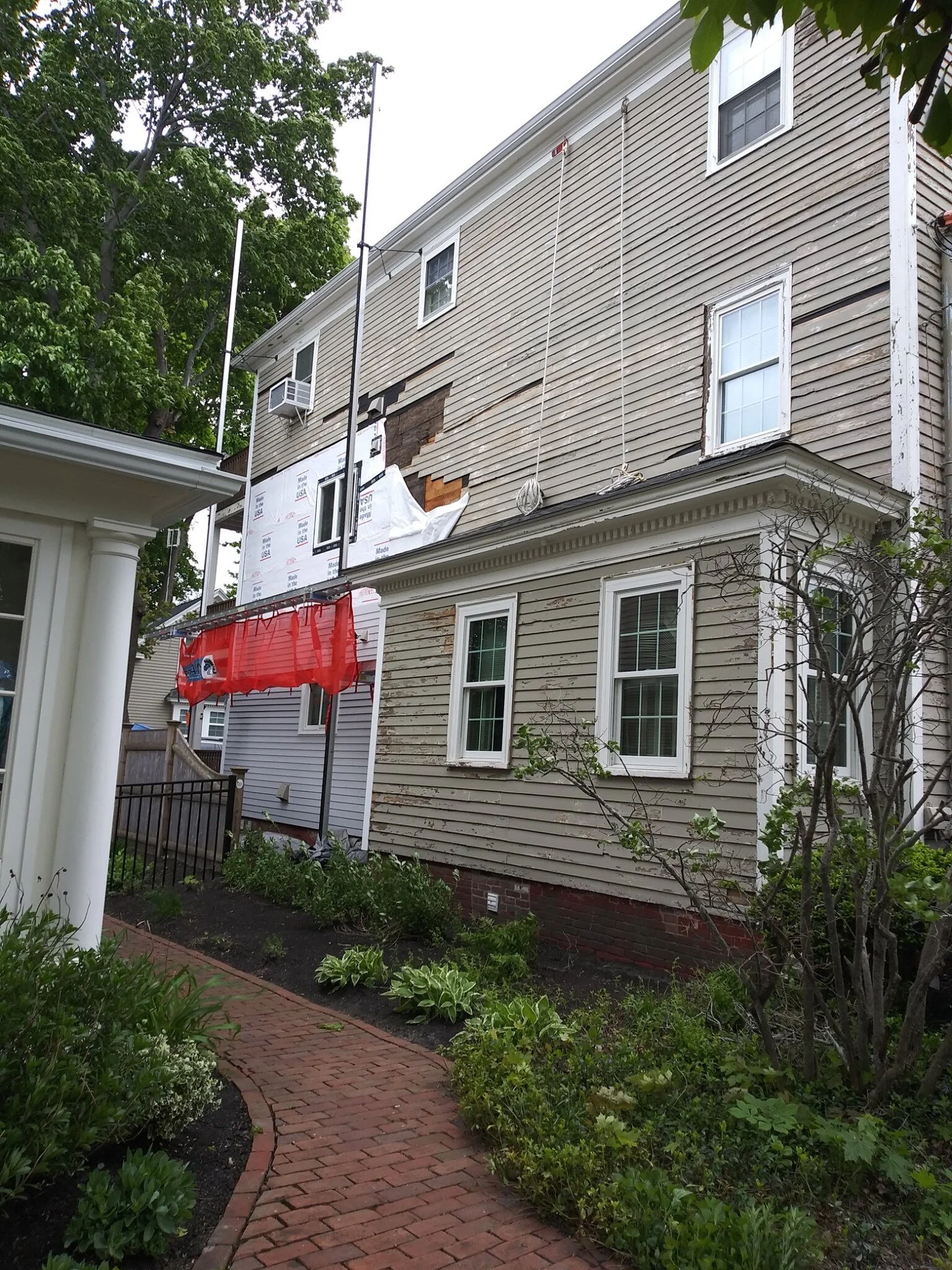
Signs Your Home Needs New Paint
Achieving a paint job of lasting quality that protects your home involves much more than just applying a coat of paint. The proper preparation of your home prior to repainting is vital in ensuring a good and lasting result – especially in New England!
Exterior paint does more than make your home look good. It is the first line of defense against moisture, rot, and structural damage — especially in New England, where harsh winters and wet springs put constant pressure on every painted surface.
The problem is that most homeowners wait too long. By the time paint failure is obvious, the damage underneath has already started. Knowing what to look for early can save thousands in repairs down the line.
Here are seven warning signs it is time to repaint — and a few that mean the situation is more urgent than you think.
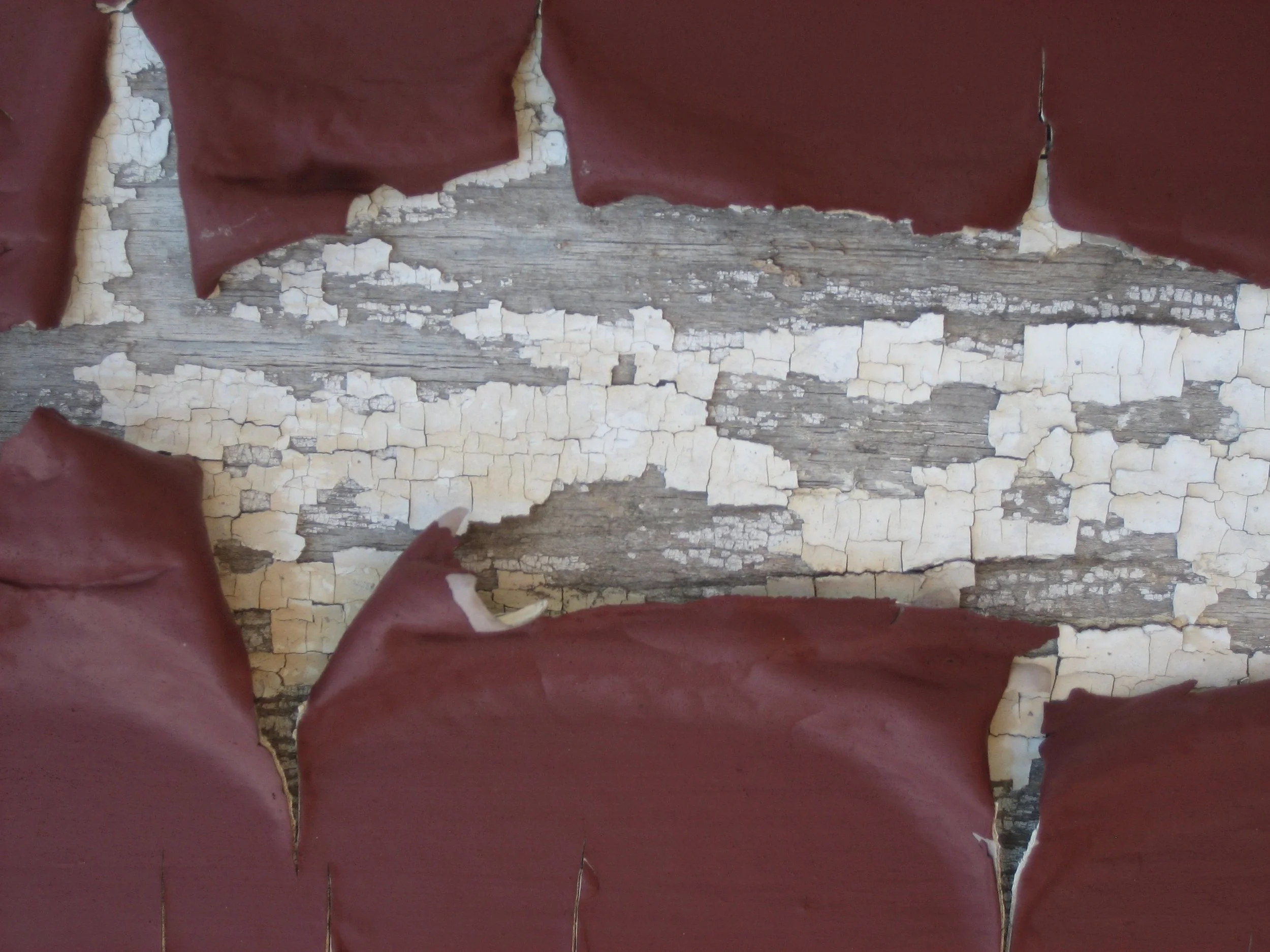
Peeling or Flaking Paint
This is the most visible sign and the one most people recognise. Peeling happens when the bond between the paint and the surface underneath breaks down — usually because of moisture getting behind the film.
On a New England home this is most common on the north-facing side of the house, under eaves, and around windows and doors where water tends to collect. If you see peeling in isolated spots, you may be able to address it before it spreads. If it is widespread, a full repaint is overdue.

Bubbles and Blisters, oh my
Bubbles under the paint surface mean moisture is trapped beneath. This can come from the outside — water getting behind the paint film — or from inside the house, where humidity is pushing through the wall. Either way it needs attention.
Painting over bubbled paint without addressing the moisture source will only delay the problem. The bubbles will return, usually faster the second time.
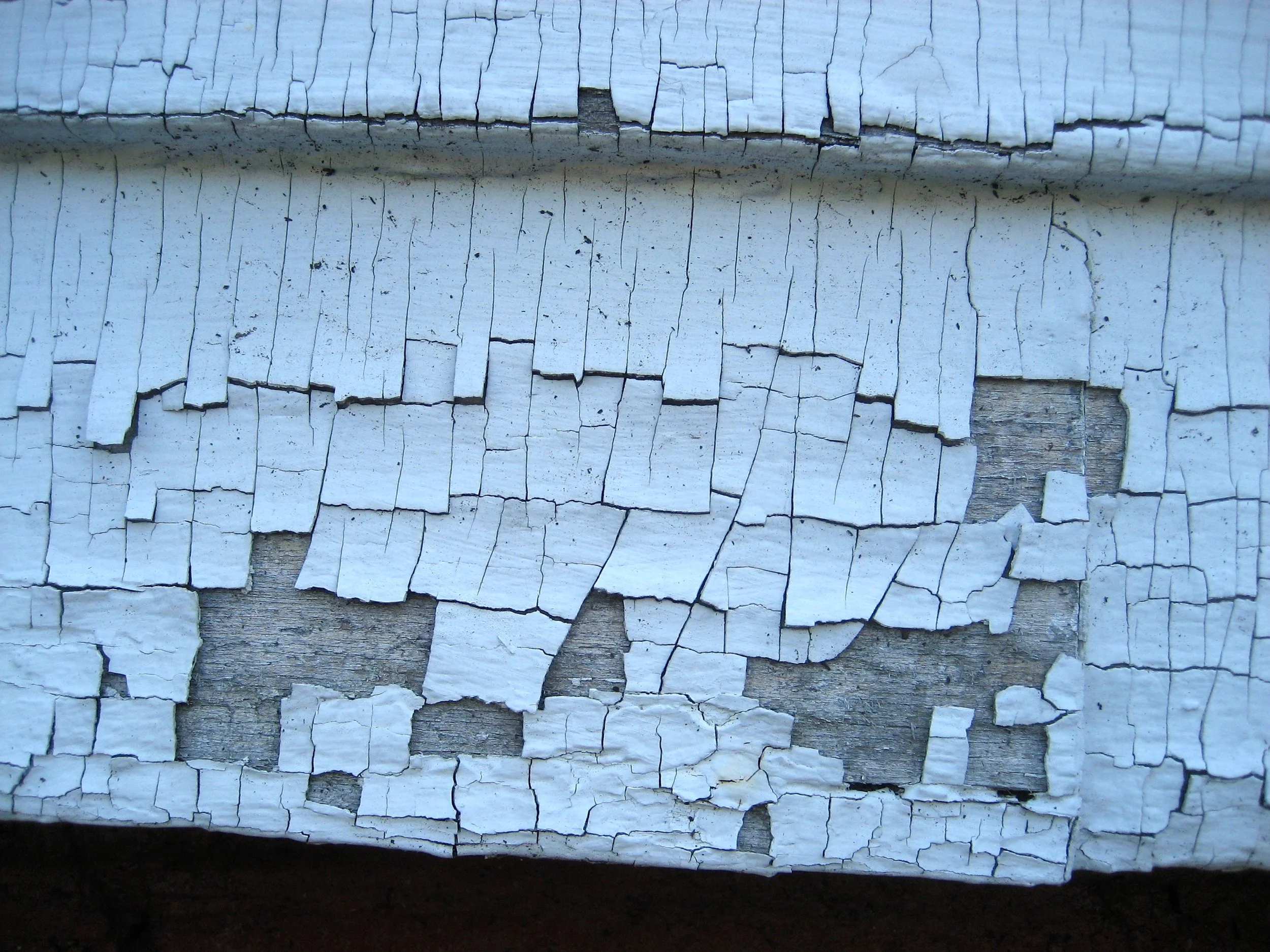
Cracking and ‘Alligatoring’
When paint loses flexibility, it begins to crack. Fine hairline cracks across a large surface area — sometimes called alligatoring because the pattern resembles reptile scales — indicate the paint film has aged past the point where it can expand and contract with temperature changes.
On trim boards, fascia, and window surrounds this type of cracking is particularly serious because these are the areas where water entry causes the most damage. Once cracks penetrate to the wood surface, moisture follows.
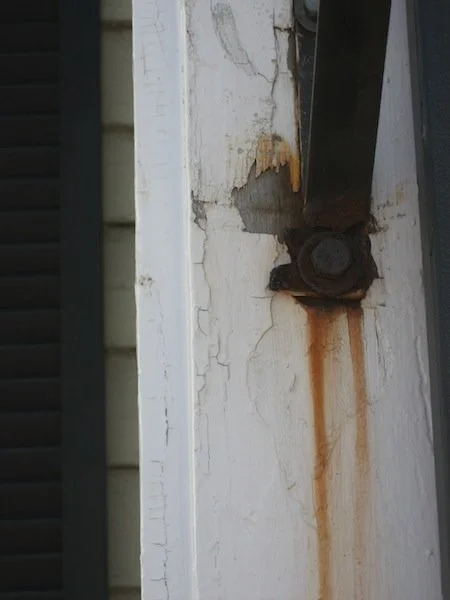
Rust Spots
Brown or orange streaks running down exterior trim from nails, screws, or hardware are a sign that moisture is penetrating the paint film and reaching the metal underneath. On older homes with original hardware this often indicates the paint system has failed around fasteners — one of the earliest entry points for water damage.
On historic homes in Newburyport rust staining around original iron hardware is worth taking seriously. Left untreated the corrosion accelerates, and the surrounding wood deteriorates with it.
Mold and Mildew Growth
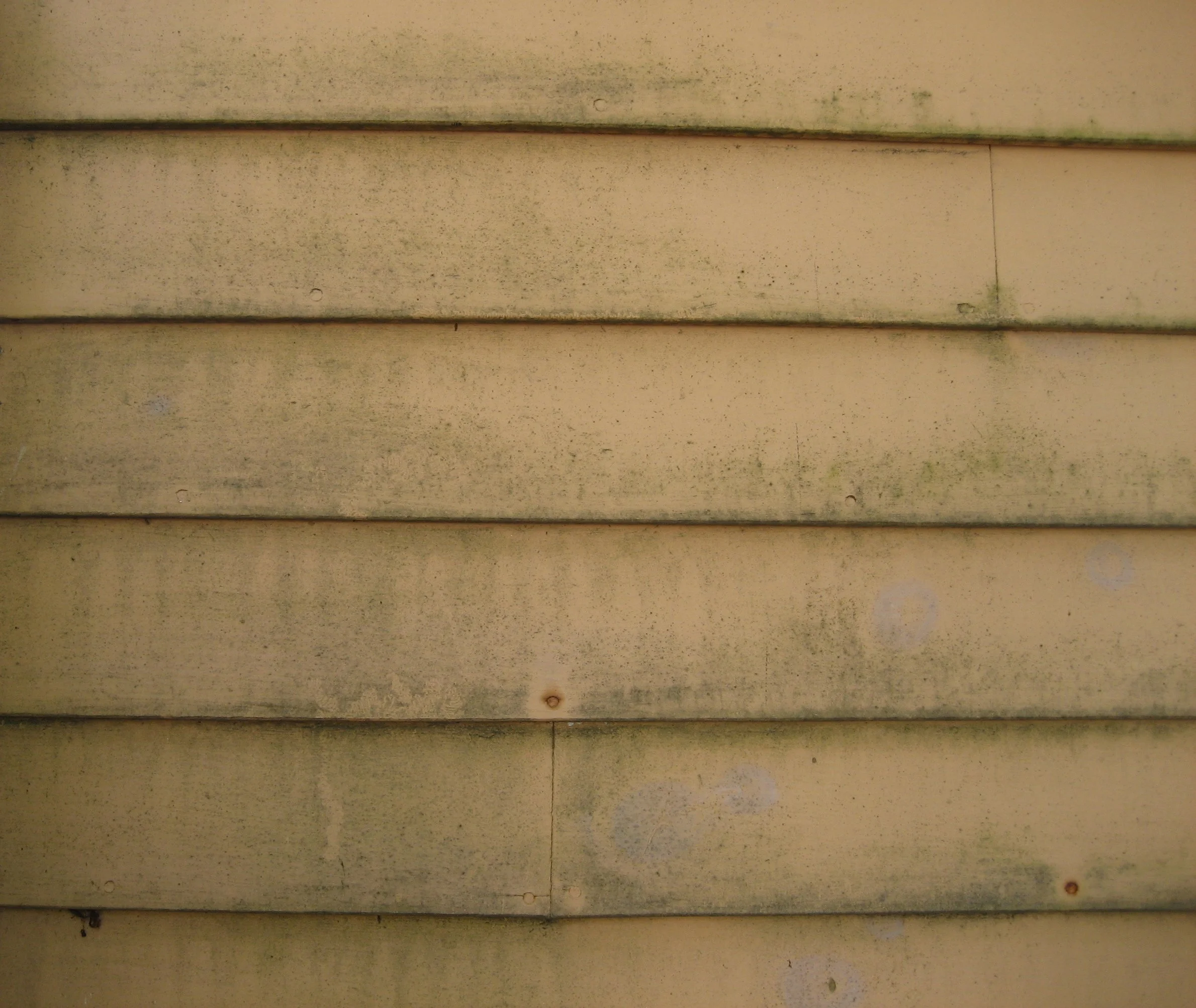
Dark green or grey biological staining on exterior siding — particularly along lap joints and on north-facing walls — is a sign that the paint film is no longer repelling moisture effectively. A failing paint system allows water to sit on the surface rather than shedding it, creating ideal conditions for mold growth.
Power washing can remove the surface staining temporarily, but if the paint system is compromised the problem will return. The fix is to eradicate the mildew and a proper repaint with a mildew-resistant primer and topcoat — not repeated washing.
Fading and Chalking
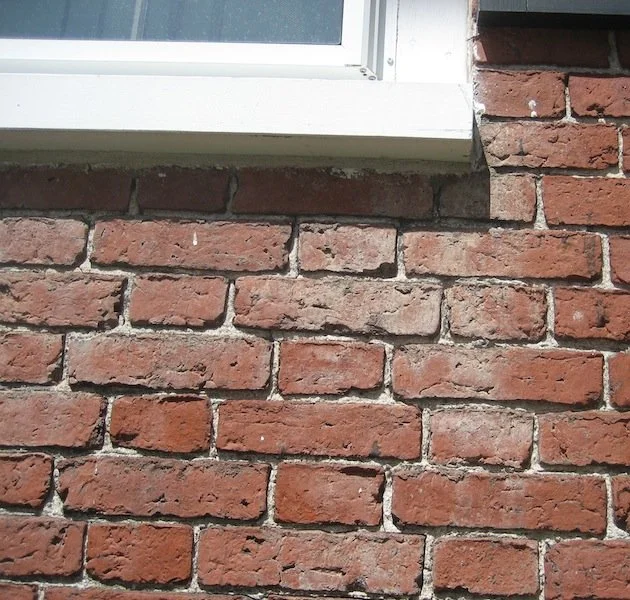
Paint fades gradually from UV exposure. You may not notice it day to day, but compare a protected area — under an eave or behind a shutter — to an exposed wall and the difference becomes clear.
Chalking is related. Run your hand along an exterior wall. If you come away with a powdery residue, the paint is breaking down at the surface. Some chalking is normal over time, but heavy chalking means the paint has lost its protective properties and is no longer doing its job.
Cracks and Gaps Around Trim and Windows
Look closely at the caulking and paint around window frames, door frames, corner boards, and trim. Cracks and gaps here are entry points for water. Once moisture gets behind the siding — particularly on older wood-frame homes — it can cause rot that goes far deeper than the paint.
On historic and Victorian homes in Newburyport this is a particularly important area to watch. Original wood trim is often irreplaceable, and rot damage that could have been prevented with a timely repaint can end up requiring full carpentry restoration.
How Often Should You Repaint?
In New England, most exterior paint jobs last 7 to 10 years on wood siding when properly prepared and applied. Historic homes with complex profiles and lots of trim may need attention sooner in vulnerable areas.
The bigger factor is preparation. A paint job applied over inadequately prepped surfaces — with old loose paint not fully removed, bare wood not primed, or moisture issues not addressed — will fail in 3 to 5 years regardless of paint quality. The preparation is as important as the paint itself.
'Read our preparation guide: How to Prepare Your Home's Exterior for Painting'
When to Call a Professional
If you are seeing peeling on more than one side of the house, bubbling near windows, or soft wood when you press on trim boards, it is worth getting a professional assessment before the damage compounds.
Albion Contracting offers free estimates for exterior painting throughout Newburyport and the North Shore. We can tell you whether you are looking at routine maintenance or something that needs more attention — and give you an honest picture of what it will take to do the job right.
Call (978) 463-8996 or use the contact form on this site.