
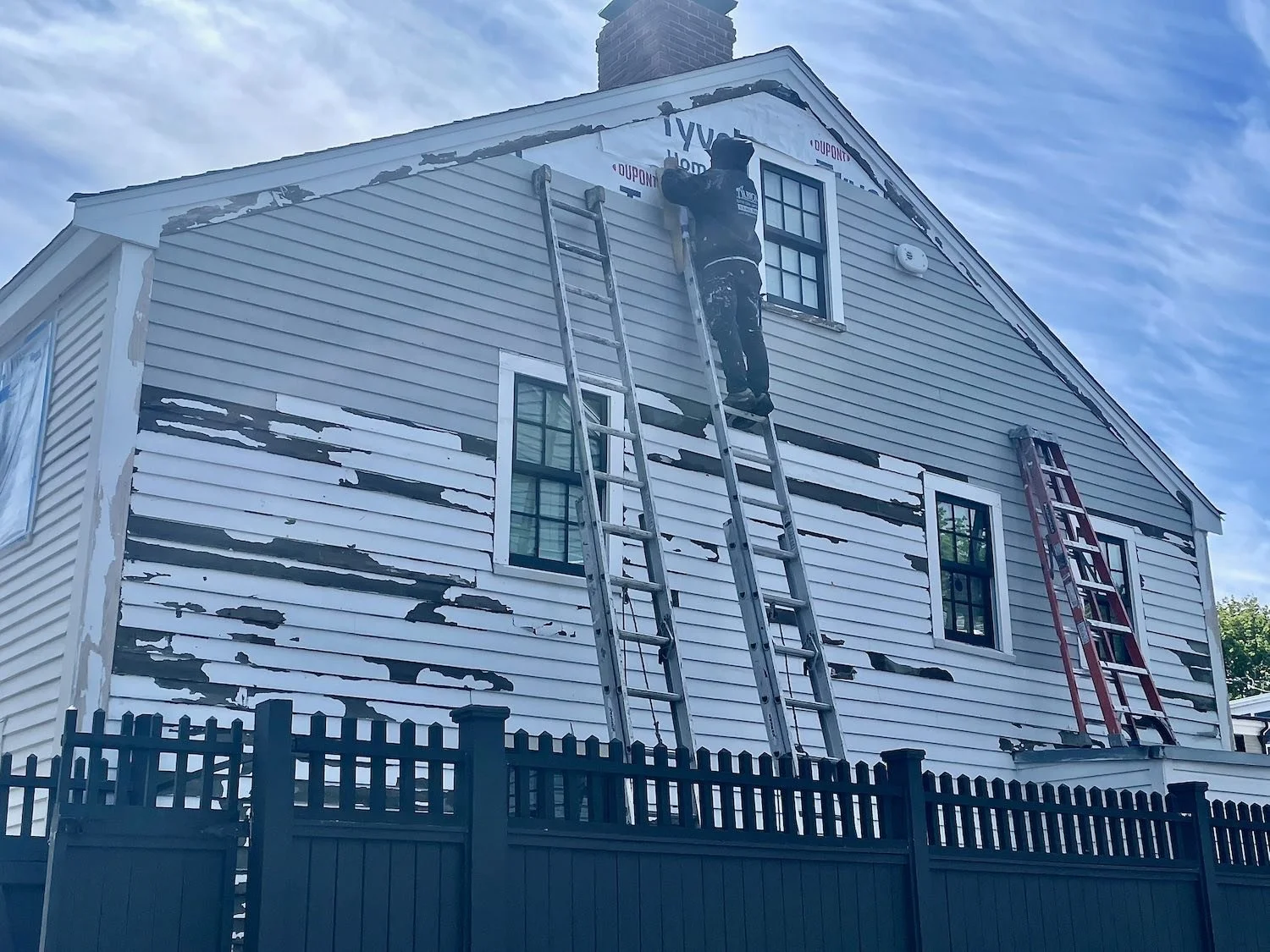
Residential Painting on the Northshore — How to Prepare Your Home for Painting.
How to Prepare Your Home's Exterior for Painting
A North Shore Homeowner's Guide | Albion Contracting | Newburyport, MA
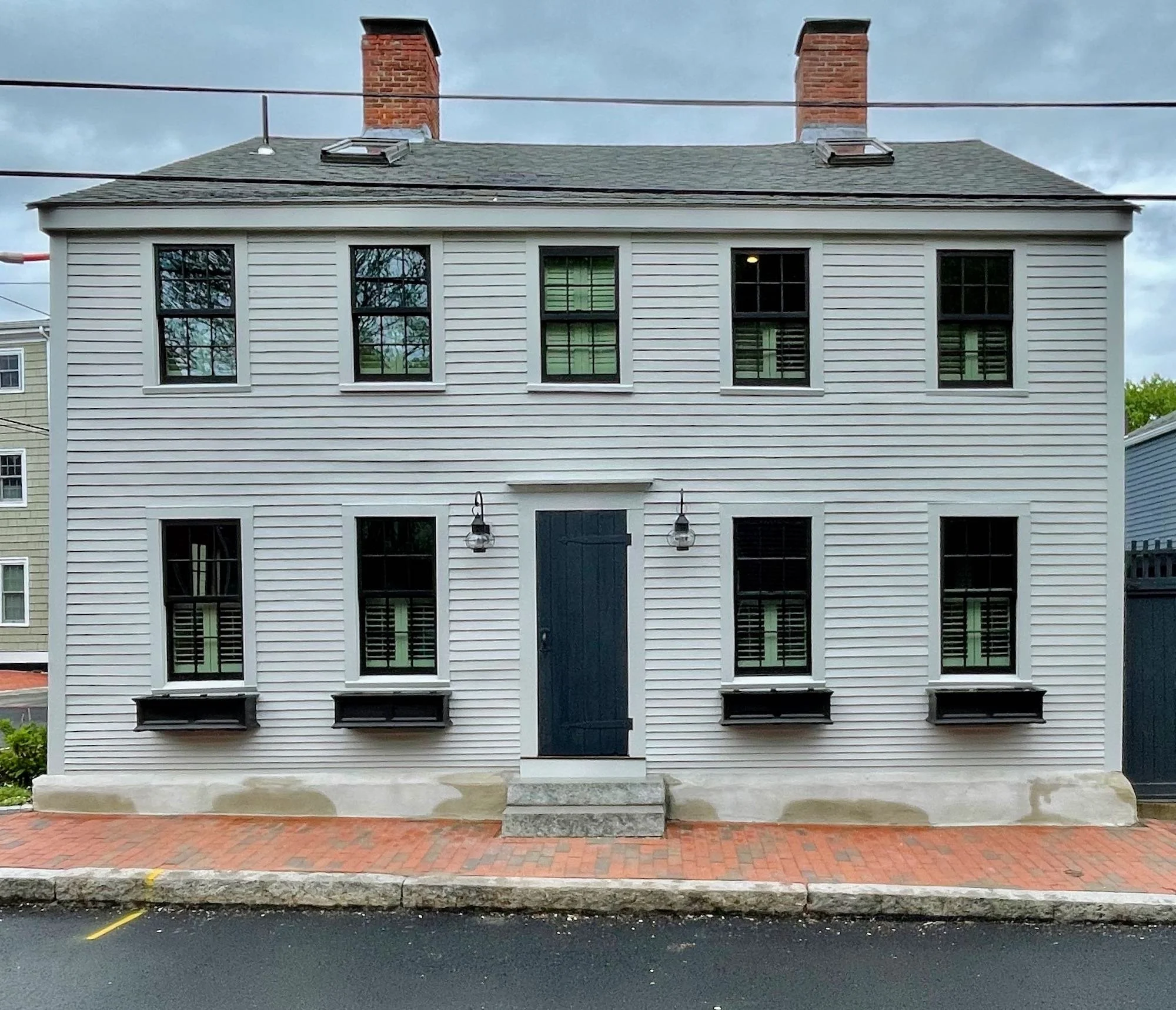
Most homeowners think about exterior painting in terms of color choices and paint brands. Professional painters think about it in terms of preparation. The preparation phase is what separates a paint job that lasts 10 years from one that starts failing in three.
On the North Shore - where homes face harsh winters, salt air, freeze-thaw cycles, and humid summers - the stakes are particularly high. A well-prepared surface protects your home for a decade. A poorly prepared one can begin to fail within a single season.
This guide explains exactly what proper exterior preparation involves, why each step matters, and what to look for when evaluating a contractor's approach.
Why Preparation Matters More Than Paint
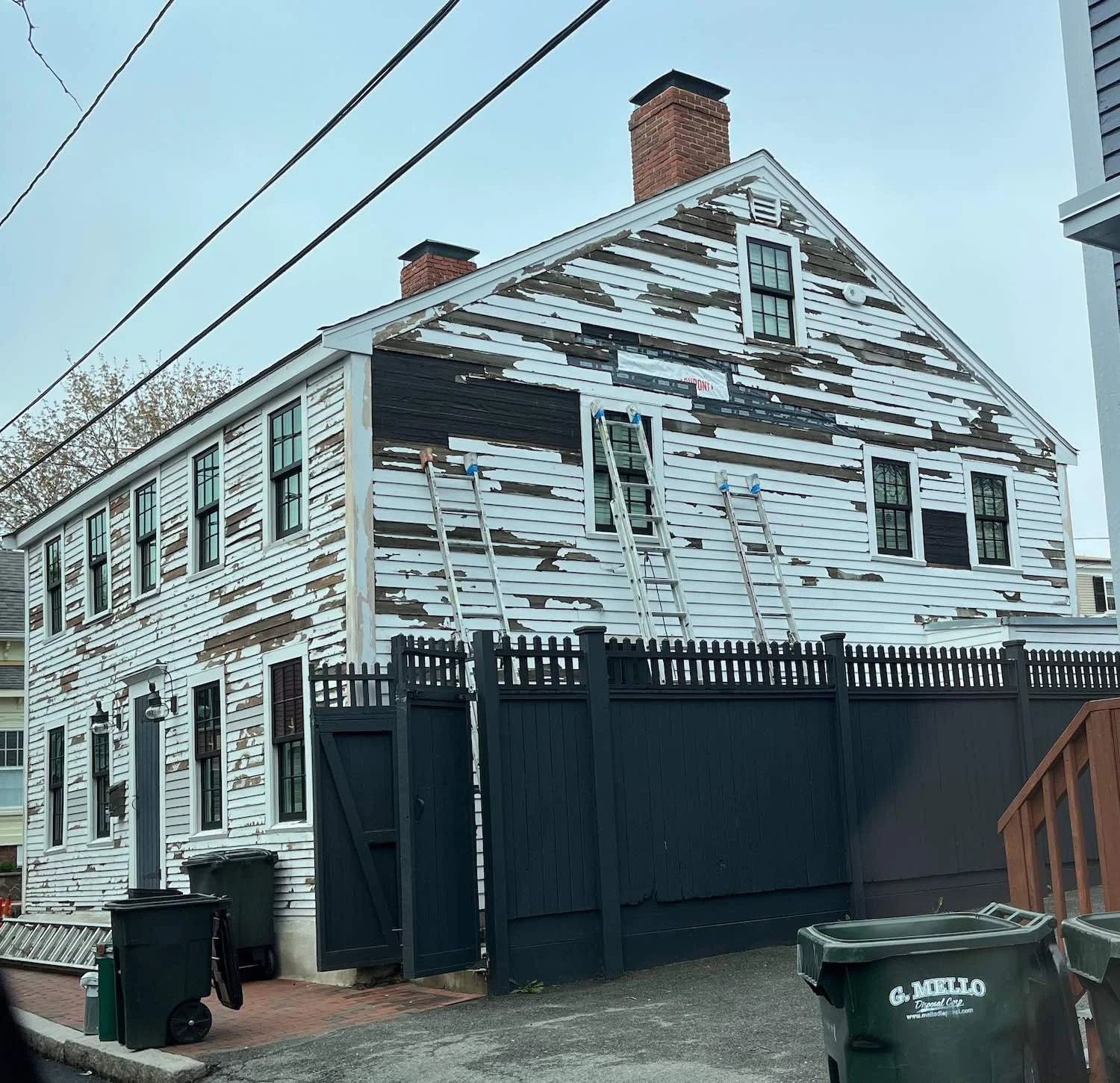
The quality of an exterior paint job is determined primarily by what happens before the first brush touches the wall. Paint applied over inadequately prepared surfaces will fail - regardless of how expensive the paint is, how experienced the painter is, or how perfect the color looks.
Preparation failures are the single most common cause of premature paint failure. Not weather. Not cheap paint. Not poor application. Inadequate preparation.
On an older home in Newburyport or across the North Shore, preparation is even more critical. Old growth wood, multiple layers of historic paint, original glazing on windows, and complex trim profiles all require specific preparation approaches that differ from new construction. A contractor who treats a 150-year-old Federal home the same way they would treat a new build is cutting corners - whether they know it or not.
The Preparation Steps
Step 1: Assessment
Before any physical work begins, a thorough assessment of the existing paint and substrate is essential. What is the condition of the paint? Are there areas of rot or moisture damage? Is lead paint present? The assessment determines everything that follows.
Step 2: Repair Rotted or Damaged Wood
Paint cannot hide structural problems - it only delays them. Any rotted fascia boards, sills, corner boards, or siding must be repaired or replaced before painting begins. On historic homes this carpentry work requires care - original profiles often need to be matched, and preserving original material where possible is always preferable to wholesale replacement.
Step 3: Washing/Mold & Mildew
The entire exterior needs to be cleaned before any scraping or sanding begins. Washing removes dirt, mold, mildew, and loose surface contaminants. On homes with mold or mildew, a mildew killing solution is applied first, allowed to dwell, then rinsed. The surface must be dry before prep work continues.
Step 4: Lead Paint Protocols if needed
On any pre-1978 home the scraping and sanding phase must follow lead safe procedures. Albion Contracting holds a Certified Lead Safe Renovator designation. Containment of dust and debris, protective equipment, and proper disposal are all required under Massachusetts law.
Step 5: Scraping and Sanding
All loose, flaking, peeling, or poorly adhered paint must be removed. On older homes this is often the most time-consuming phase of the entire project. Hand scraping, and specialized tools are used depending on the surface and the condition of the existing paint. The goal is a stable, well-bonded surface - not bare wood necessarily, but paint that is firmly adhered and will hold a new coat
Step 6: Caulking
All joints, gaps, and penetrations need to be inspected and recaulked. Old caulking that has shrunk, cracked, or pulled away from the substrate must be removed and replaced. This includes joints around window frames, door frames, corner boards, trim details, and anywhere two different materials meet. Caulking is your first line of defense against moisture entry.
Step 7: Priming
Bare wood - wherever it has been exposed by scraping or carpentry repairs - must be primed before topcoats are applied. The right primer for old growth wood on a historic home is not the same as the primer you would use on new pine. Getting this wrong causes adhesion failures regardless of the topcoat quality. Spot priming bare areas is the minimum - in cases of extensive preparation, a full prime coat on the entire surface is often the right call.
Step 8: Masking and Protection
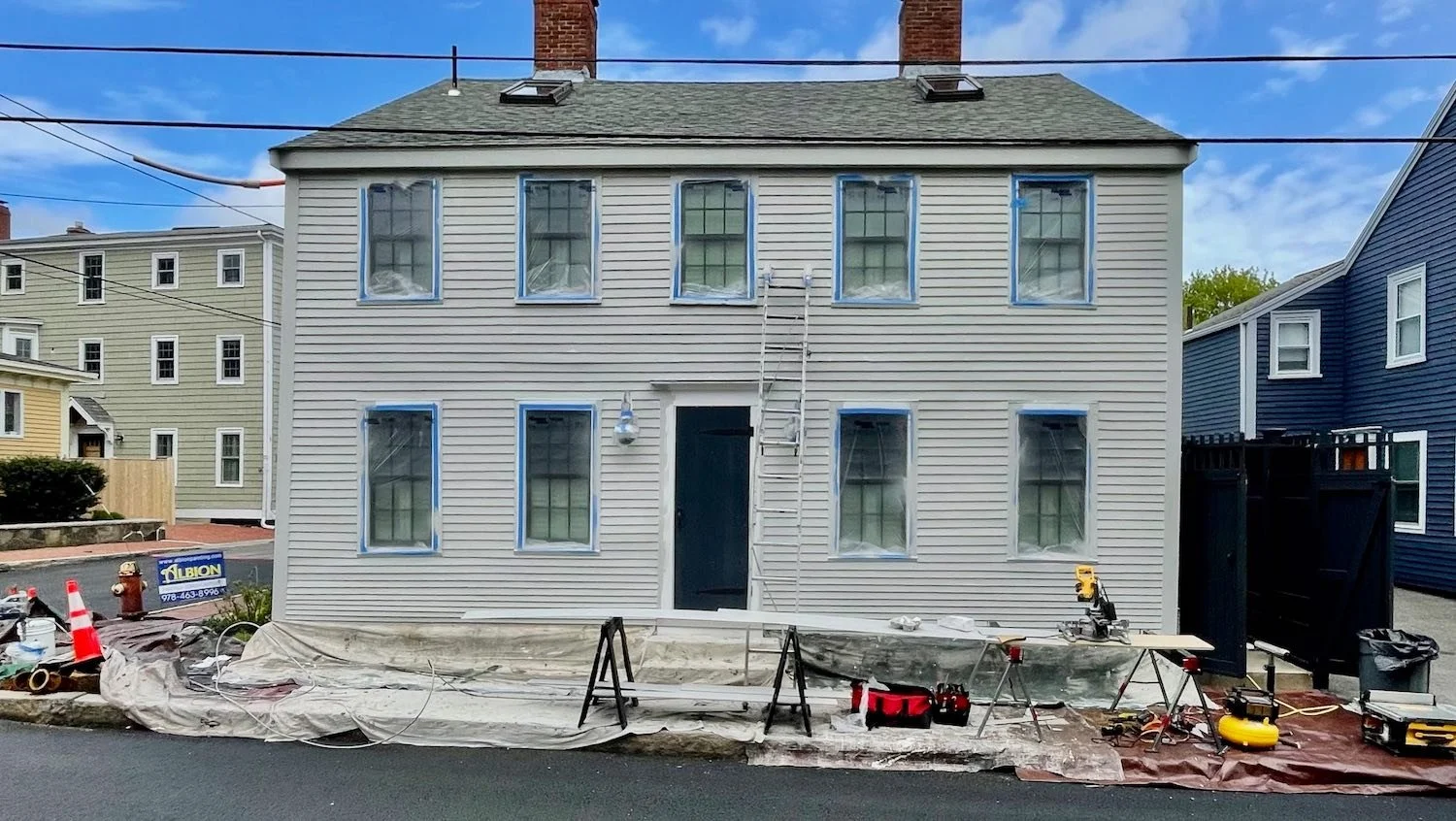
Windows, doors, hardware, landscaping, and adjacent surfaces must be protected before painting begins. Plastic sheeting, masking tape, and drop cloths are laid out systematically. This step is what separates a professional job site from an amateur one - and what determines whether your garden and windows are covered in paint mist when the job is done.
What to Ask a Contractor About Preparation
When getting estimates for exterior painting, preparation is the area where the most significant differences between contractors show up - and where the most corners get cut.
• How do you handle loose and peeling paint? Ask specifically whether all loose paint will be removed or whether they paint over it.
• Do you repair rotted wood before painting? A coat of paint over a soft sill board is money wasted.
• Are you a Certified Lead Safe Renovator? Required by Massachusetts law for pre-1978 homes.
• Do you power wash before scraping? Painting over a dirty surface causes adhesion failures.
• Do you recaulk all joints and penetrations? This is often skipped on faster jobs.
• Do you prime bare wood? Spot priming at minimum - a full prime coat on heavily prepped surfaces.
• How long do you allow between washing and painting? The surface must be dry - rushing this causes blistering.
A contractor who gives vague answers to these questions or who quotes significantly less than others is almost certainly cutting corners on preparation. The price difference between a thorough job and a fast one shows up in years - not weeks.
Preparation Is What We Are Known For
Albion Contracting has been preparing and painting exterior surfaces on North Shore homes since 1997. We take preparation seriously because we have seen what happens when it is done poorly - and we are not interested in repainting a job that should have lasted 10 years.
Free estimates throughout Newburyport and the North Shore. We will walk you through exactly what the preparation phase will involve on your specific property before we pick up a brush.
Call or text (978) 463-8996 or visit our exterior painting page to learn more.